(678) 362-5929
Meal Tips
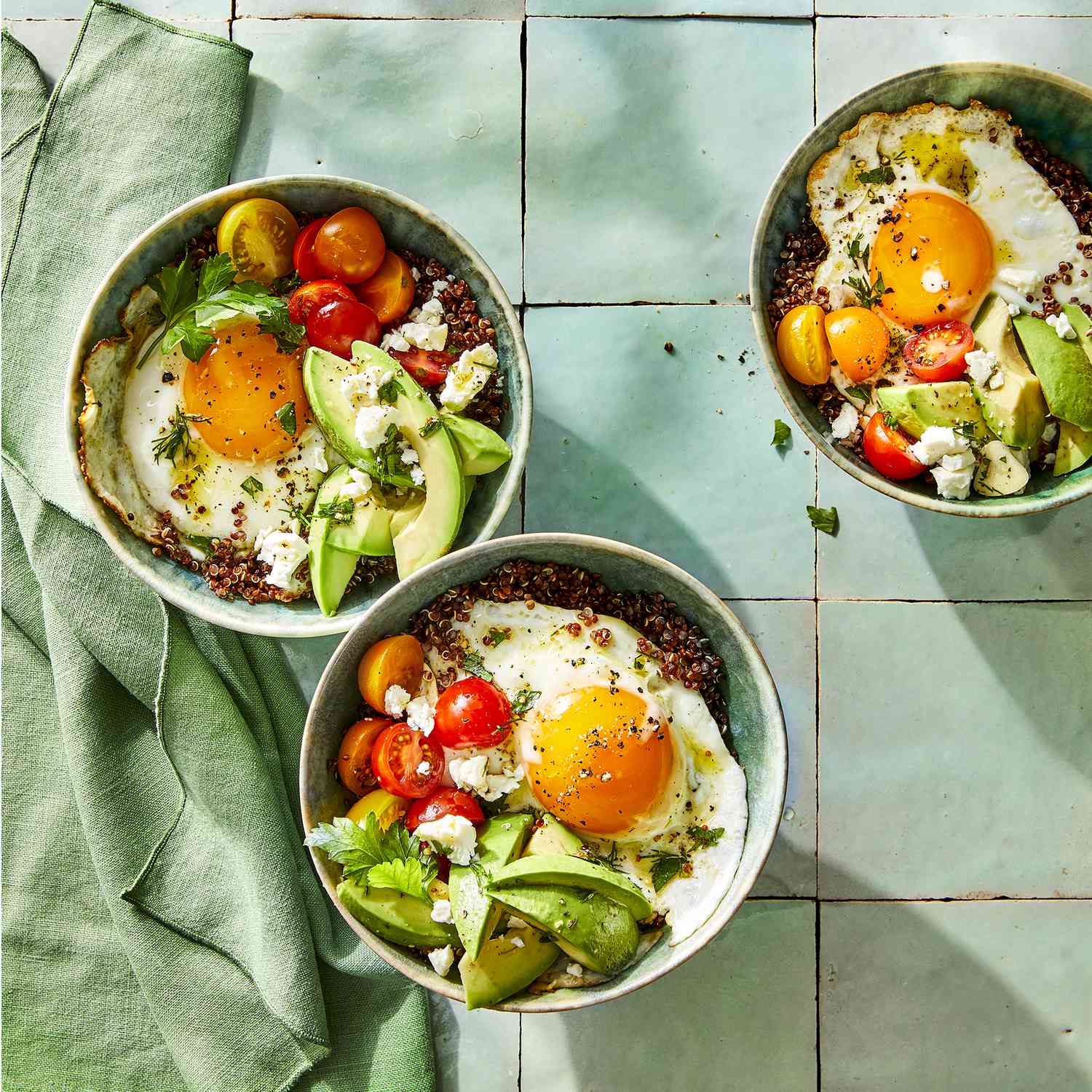
The Ideal High-Performance Breakfast
The ideal breakfast fuels your metabolism, stabilizes blood sugar, and sets the tone for disciplined eating throughout the day. Instead of starting with processed carbs that spike and crash your energy, build a breakfast around protein, fiber, and quality fats to support muscle recovery and mental focus. A performance-based breakfast should leave you energized — not sluggish — and satisfied for hours without cravings. When your first meal is intentional, your entire day improves.
Example Ideal Breakfast Plate:
3–4 whole eggs or egg whites + 1 whole egg
½ cup oatmeal or sprouted grain toast
½ avocado or a handful of nuts
Berries or a small piece of fruit
Water or black coffee
This combination delivers protein for muscle support, slow-digesting carbs for steady energy, and healthy fats for hormone balance.
The Ideal Performance -Lunch
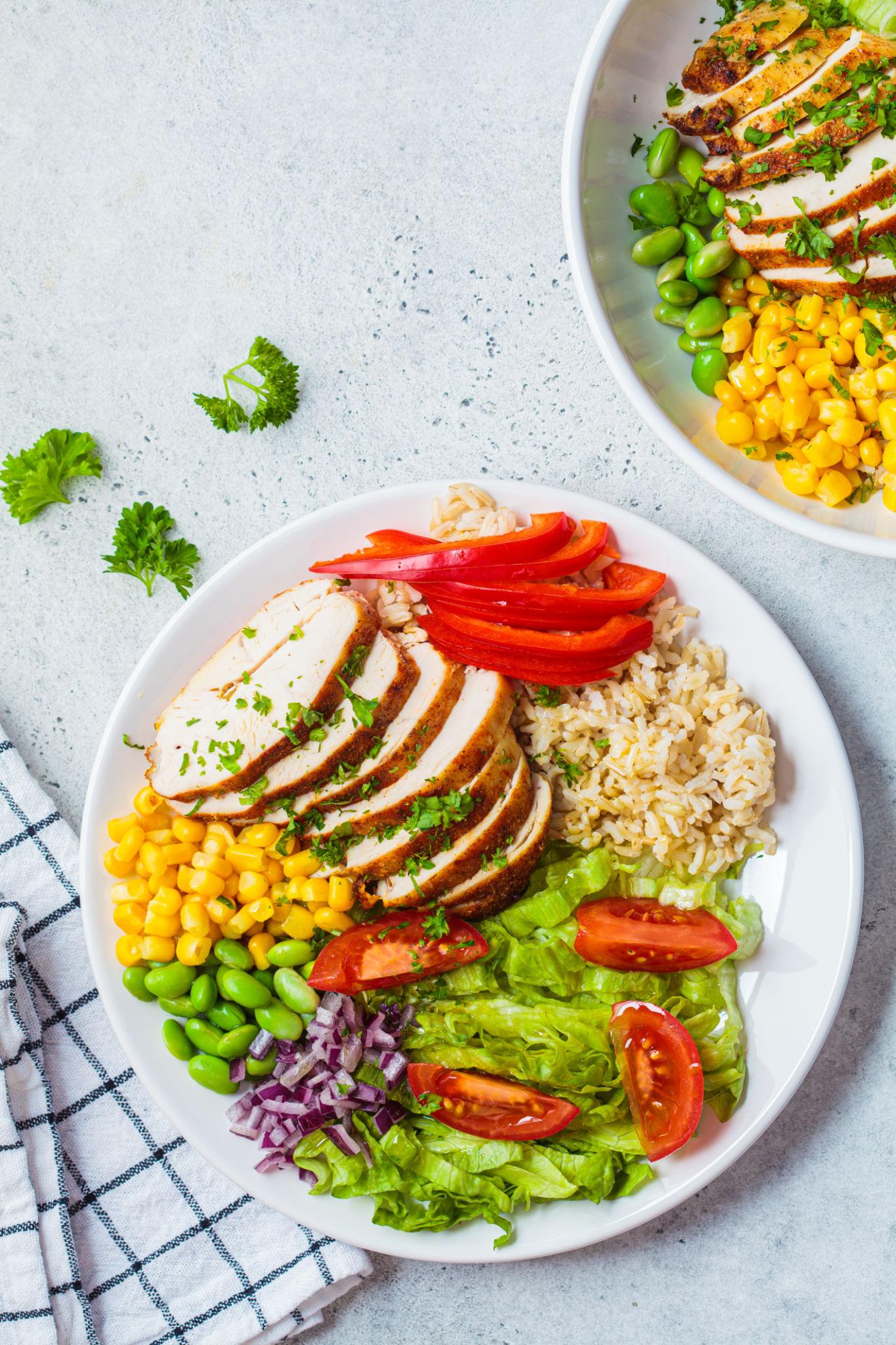
Lunch should refuel you without slowing you down. The goal is sustained afternoon energy, not a post-meal crash. A well-balanced lunch combines lean protein, moderate complex carbohydrates, fiber-rich vegetables, and healthy fats to keep blood sugar stable and productivity high. When lunch is structured and purposeful, you reduce late-day cravings and eliminate the need for sugar or caffeine to “push through.”
Example Ideal Lunch Plate:
5–7 oz grilled chicken, salmon, or lean steak
1 cup brown rice, quinoa, or sweet potato
1–2 cups steamed or roasted vegetables
Olive oil drizzle or sliced avocado
Water with electrolytes
This meal supports muscle repair, cognitive clarity, and endurance while maintaining a lean body composition.
The Ideal Recovery-Focused Dinner
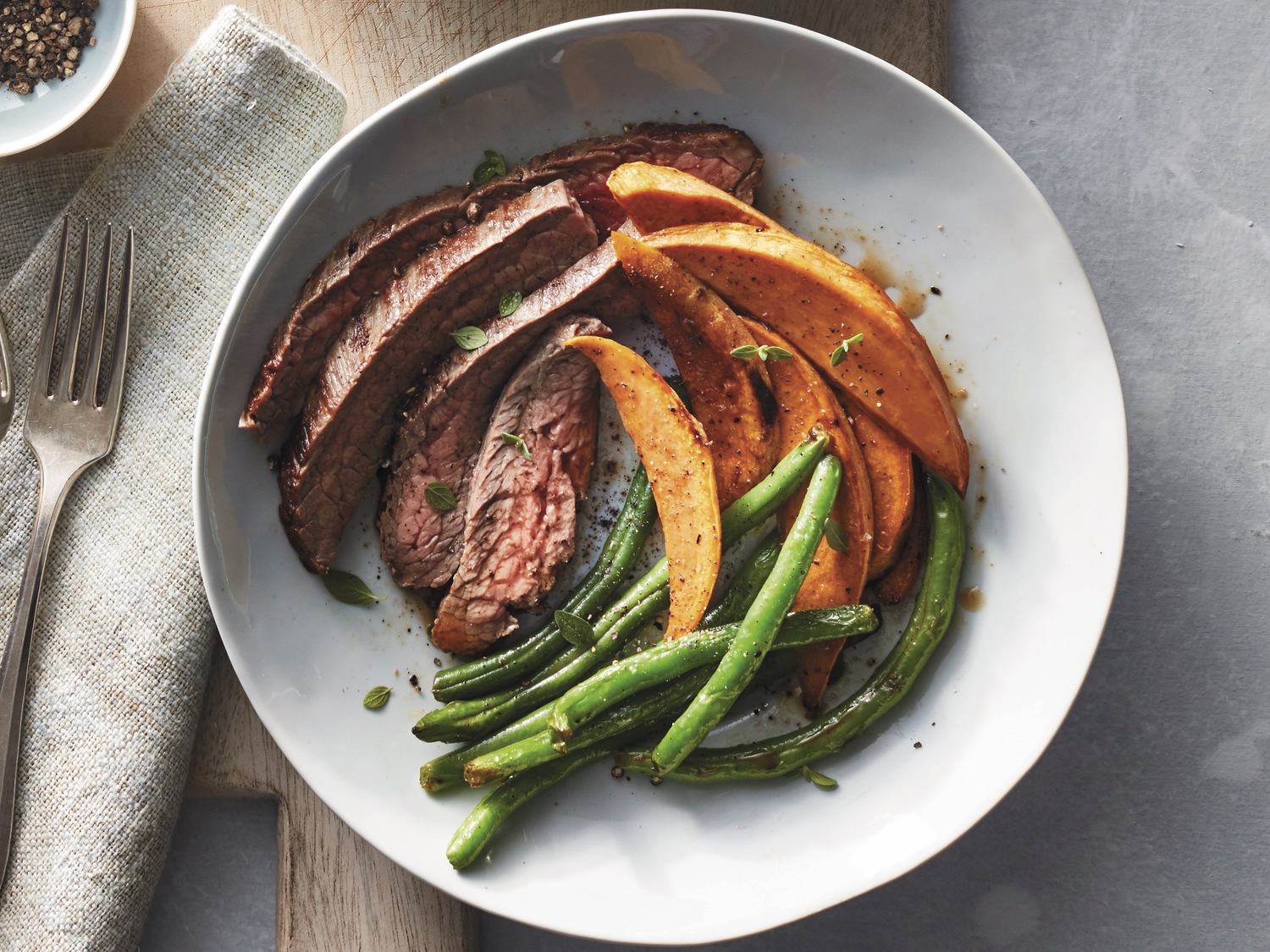
Dinner should prioritize recovery and restoration, not overload your system before sleep. Many people overeat at night because they under-fueled earlier in the day — but a smart dinner is protein-centered, moderate in carbs (based on activity level), and rich in micronutrients that support sleep and muscle repair. The ideal dinner leaves you satisfied, not stuffed, and ready for deep, restorative sleep.
Example Ideal Dinner Plate:
6–8 oz lean protein (salmon, turkey, grass-fed beef)
Roasted vegetables or leafy greens
Small portion of complex carbs if training was intense (½–1 cup rice or potatoes)
Herbal tea or water
A recovery-focused dinner improves sleep quality, supports muscle growth, and prevents late-night snacking.
Office: 106 Meadow Crest Court , Powder Springs Georgia 30127
Call
Email: [email protected]
Site: www.elevationfitnesscoaching.com